Wellness Programs as an Attraction: IWTIF 2025 Ready to Elevate Indonesian Tourism to the Global Lev
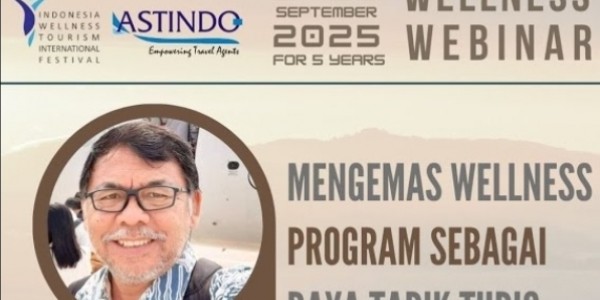
Indonesia is once again poised to gain global attention through the 2025 Indonesia Wellness Tourism International Festival (IWTIF), which will take place from September 1–30, 2025.
Themed "Wellness Nusantara as a Source of Recovery and Pride for Indonesia," this event will feature a variety of flagship programs to develop healthy and sustainable tourism.
According to Heben Ezer, Head of the Inbound and Domestic Tour Division of the Indonesian Travel Agent Association (DPP ASTINDO), the development of Indonesian tourism is inseparable from three main factors known as the 3Ts: Technology, Transportation, and Tourism.
"Technology is developing rapidly, transportation is making travel easier, and tourism is automatically growing. These three factors support each other and will continue to grow," explained Heben Ezer via the IWTIF YouTube channel on Thursday, September 11, 2025.
Wellness Destination Competitiveness: The Key to Destination Competitiveness
To establish Indonesia as a leading wellness tourism destination, several key factors must be considered:
1. Destination Environment: The beauty and sustainability of the destination's environment.
2. Wellness Tourism Travel & Policy: Government policy support for wellness tourism.
3. Infrastructure & Capacity: Modern and adequate facilities.
4. Man-made & Cultural Resources: Integration of local culture into the tourism experience.
5. Wellness Strategy & Structure: Planning and governance of wellness destinations.
6. Innovation Potential: Utilizing the latest technology for wellness tourism.
7. Collaborative & Proactive Marketing: Joint promotions to reach global tourists.
A concrete example is the development of beaches in Madura, which have high oxygen quality—a huge potential for nature-based wellness tourism.
Digital Transformation of Tourism 5.0
Indonesian tourism is now entering the Tourism 5.0 era, where digitalization is key. Some of the innovations being developed include:
Digital tourism marketing: Utilizing social media and online platforms for promotion.
Artificial intelligence (AI): Enhancing the tourist experience through data-driven recommendations.
Latest technology features: Simplifying reservations, payments, and destination information.
With digitalization, tourists can easily access tourism information and services at any time.
Clean Tourism Movement: Maintaining the Beauty and Health of Destinations
The Clean Tourism Movement (GWB) was launched as a step to maintain the cleanliness and environmental sustainability of tourist destinations. This program includes:
Development of sanitation facilities
Establishment of a cleaning task force
Education of tourists and local communities about the importance of sustainable tourism.
For example, coastal and mountain tourist areas are now equipped with separate trash bins and dedicated cleaning teams to ensure tourists feel comfortable and healthy.
Upgraded Tourism: Wellness, Marine, and Gastronomy Tourism
IWTIF 2025 also prioritizes special interest-based tourism in three main sectors:
1. Wellness Tourism: Health tourism based on spas, yoga, and natural therapies.
2. Marine Tourism: Exploration of marine tourism such as diving, snorkeling, and coastal tourism.
3. Gastronomy Tourism: Regional culinary tourism that combines local flavors with cultural values.
Examples of leading gastronomic destinations include Bali, with its healthy, organic cuisine, and South Sulawesi, with its world-class marine tourism.
Global Events with Authentic Indonesian Intellectual Property
IWTIF 2025 promotes the concept of an international event with authentic Indonesian Intellectual Property (IP), showcasing local culture and wisdom. This program is designed to:
Increase the attractiveness of Indonesian tourism on the global stage.
Provide a positive economic impact for the community.
Strengthen Indonesia's cultural identity in the global tourism sector.
Community-Based Tourism Village Development
Tourism villages are a key pillar of community-based tourism. By 2025, this program targets:
Improve the quality of tourism villages with tourist-friendly facilities.
Provide training for communities to prepare them for international tourism.
Promote local economic growth.
A successful example is Penglipuran Village in Bali, now known as one of the cleanest villages in the world.
2024 Domestic Tourist Travel Data
According to data from the Central Statistics Agency (BPS), the top 10 provinces for domestic tourist travel in 2024 were:
1. East Java – 204.88 million trips
2. West Java – 180.59 million trips
3. Central Java – 131.80 million trips
4. Jakarta – 90.45 million trips
5. Banten – 61.88 million trips
6. North Sumatra – 42.24 million trips
7. South Sulawesi – 35.44 million trips
8. Yogyakarta Special Region – 26.69 million trips
9. Bali – 21.62 million trips
10. Riau – 19.50 million trips
This data demonstrates the high mobility of domestic tourists, which can be directed to support wellness tourism.
Supporting Factors for Wellness Tourism
Several factors supporting the success of wellness tourism include: