4 Benefits of TENS Therapy in Physiotherapy: Helping Relieve Pain and Aid Recovery
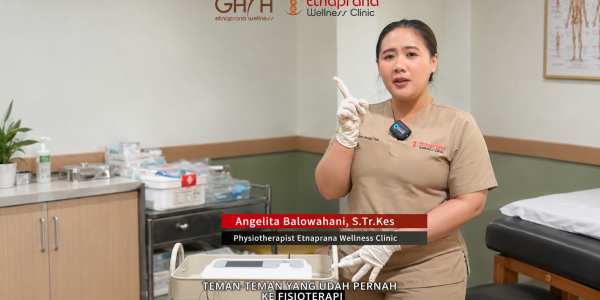
Have you ever heard of TENS therapy while undergoing physiotherapy?
TENS (Transcutaneous Electrical Nerve Stimulation) is a therapeutic method that uses low-intensity electrical impulses to help alleviate pain.
This therapy is often part of a physiotherapy program designed to help patients manage issues such as muscle pain, back pain, and joint stiffness, as well as to support the rehabilitation process following an injury.
Join Angelita Balowahani, S. Tr. Kes, a physiotherapist at Etnaprana Wellness Clinic, as we explore the benefits of TENS therapy, how it works, and how it can help you move more comfortably during your daily activities.
What Is TENS Therapy?
TENS is a nerve stimulation method that uses mild electrical impulses delivered via electrodes or pads attached to specific areas of the body. This stimulation helps modulate pain signals sent to the brain, thereby reducing the sensation of pain.
In physiotherapy, TENS is used as an approach to help manage pain associated with various musculoskeletal conditions. Its application is tailored to each patient's specific complaints, physical condition, and tolerance levels.
One of the key benefits of TENS therapy is pain reduction, which allows patients to perform physiotherapy exercises more comfortably and effectively.
4 Benefits of TENS Therapy in Physiotherapy
1. Helps Relieve Back and Neck Pain
Lower back and neck pain can interfere with daily activities, ranging from sitting for extended periods to performing simple movements. TENS therapy can help reduce the perception of pain through nerve stimulation, potentially making patients feel more comfortable when moving.
This therapy can be incorporated into a physiotherapy program to address back and neck pain, based on the physiotherapist's assessment.
2. Supports Post-Injury Rehabilitation
The recovery process following an injury requires appropriate and gradual care. TENS can help manage pain during rehabilitation, making patients more comfortable as they perform range-of-motion and muscle-strengthening exercises.
However, TENS is not a substitute for rehabilitation exercises and does not directly guarantee the prevention of muscle atrophy, the reduction of swelling, or the acceleration of tissue healing. Its benefits depend on the patient's condition and the combination of therapies provided.
3. Helping to Manage Pain and Joint Stiffness
Pain in the knees, shoulders, or other joints can limit range of motion and impair mobility. By helping to alleviate pain, TENS can make it more comfortable for patients to perform joint mobilization exercises as directed by a physiotherapist.
For conditions such as osteoarthritis, TENS can be considered an adjunctive therapy to help manage pain, rather than a treatment to cure joint damage.
4. Supporting Recovery from Sports Injuries and Muscle Strain
Intense sports activities can lead to muscle strain or soft tissue injuries. In certain situations, TENS can help reduce pain as part of a physiotherapy treatment plan.
With pain better controlled, patients can more easily follow a recovery exercise program tailored to their needs. However, TENS is not the primary therapy for repairing injured tissue and does not necessarily improve blood circulation or accelerate tissue regeneration.
How TENS Therapy Works
TENS is administered using a specialized device with various settings. Below is an overview of the process during a physiotherapy session.
1. Select the stimulation mode
TENS devices generally offer continuous and intermittent modes. Continuous mode delivers stimulation uninterruptedly during the active phase, whereas intermittent mode delivers stimulation at intervals. The choice of mode depends on the therapeutic goals and the patient's condition.
2. Adjust the electrical impulse frequency
Frequency refers to the number of electrical impulses delivered per second and is measured in hertz (Hz). On certain devices, the setting may range from 50–100 Hz or fall within another range, depending on the device specifications.
A higher frequency means impulses are delivered more frequently. However, a higher frequency setting does not necessarily yield better results. A physiotherapist will adjust the setting based on the patient's complaints, their response, and the therapeutic goals.
3. Determining therapy duration
The duration of TENS usage is determined by the patient's needs and the therapy protocol. A session might last around 15 minutes, but the exact timing depends on the clinical condition and the device being used.
4. Electrode placement and intensity adjustment
Electrodes or pads are applied to the designated area after checking the condition of the skin and ensuring safe usage. The intensity is then gradually increased according to the patient's tolerance.
The sensation experienced is generally a mild tingling or a distinct yet comfortable stimulation. The intensity should not cause pain, a burning sensation, or a pricking feeling. If any discomfort arises, the patient should immediately inform the physiotherapist.
Is TENS Therapy Safe for Everyone?
TENS can be used as part of physiotherapy treatment, but it is not suitable for everyone or every condition.
Its use requires prior evaluation, particularly for patients with pacemakers or other implanted electronic devices, those with impaired skin sensation, or those who are pregnant.
Electrodes must not be placed indiscriminately, especially on the front of the neck or across the chest. Consult a healthcare professional about your condition before undergoing therapy to ensure appropriate and safe use.
Keep in mind that TENS is primarily intended to help manage pain.
For more comprehensive rehabilitation results, this therapy can be combined with therapeutic exercises, strengthening exercises, mobilization, or other physiotherapy methods tailored to the patient's needs.
Optimize Your Recovery with Physiotherapy at Etnaprana Wellness Clinic
Recurring pain, joint stiffness, and limited mobility should not be allowed to compromise your quality of life. Proper treatment begins with understanding the root cause of your symptoms and selecting an appropriate therapy program.
At Etnaprana Wellness Clinic, you can consult with us regarding physiotherapy needs to help manage pain, improve movement comfort, and support a gradual recovery process. The use of TENS will be considered based on the physiotherapist's evaluation and your health condition.
Schedule a physiotherapy consultation at Etnaprana Wellness Clinic today! Click the link in the bio to view available services and find a treatment approach tailored to your body's needs.